Snow Storm: Understanding The Phenomenon And How To Prepare - If you must travel during a snow storm, ensure your vehicle is equipped with emergency supplies, such as blankets, food, and water. Drive slowly and maintain a safe distance from other vehicles. When these conditions align, snow storms can form and intensify. Understanding the science behind these processes helps meteorologists predict and warn communities about impending storms.
If you must travel during a snow storm, ensure your vehicle is equipped with emergency supplies, such as blankets, food, and water. Drive slowly and maintain a safe distance from other vehicles.
Snow storms are some of the most powerful and disruptive weather events on Earth, affecting millions of people every year. These intense weather systems can bring heavy snowfall, strong winds, and freezing temperatures, causing widespread disruptions to daily life. Understanding snow storms is essential for anyone living in regions prone to such conditions, as it helps with preparation and safety.
A snow storm is a weather event characterized by heavy snowfall accompanied by strong winds and low temperatures. These storms can last from a few hours to several days, depending on the atmospheric conditions. Snow storms are often referred to as blizzards when they meet specific criteria, such as sustained winds of 35 mph or more and visibility of less than a quarter mile.
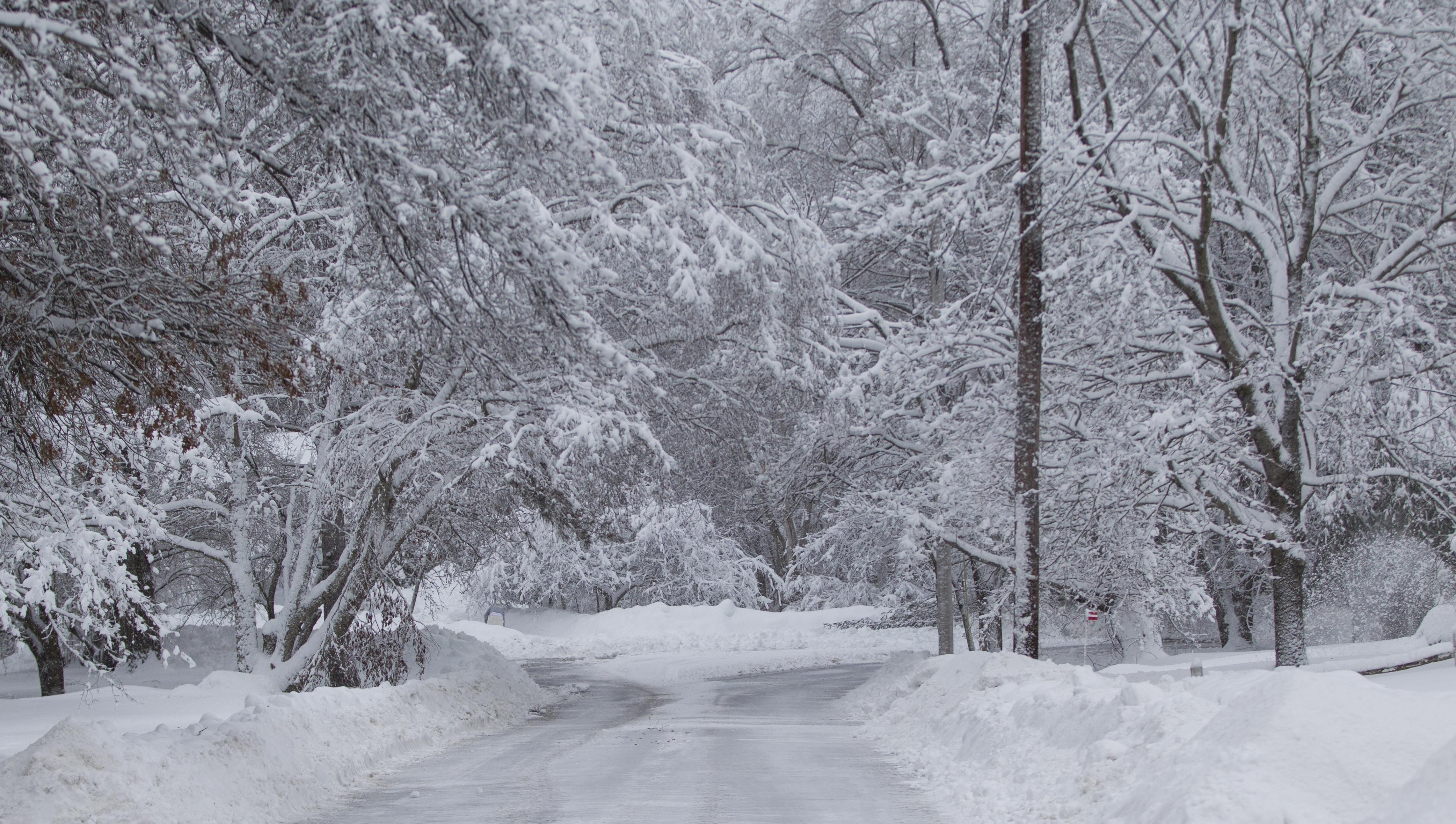
Snow storms can have significant economic impacts, affecting industries such as transportation, agriculture, and retail. Businesses may experience losses due to closures or supply chain disruptions.
Not all snow storms are the same. They vary in intensity, duration, and geographical impact. Below are some of the most common types of snow storms:
First Snow Storm of the Season (photos) The Manchester Mirror
By exploring the causes, impacts, and prevention strategies, we aim to provide a comprehensive resource for understanding snow storms. Our focus is not only on the scientific aspects but also on actionable advice that can help protect lives and property during these extreme weather events.
Residents in areas affected by snow storms may experience disruptions to work, school, and social activities. Businesses may close temporarily, and public services may be delayed or canceled.
Blizzards are the most severe type of snow storm, characterized by high winds and heavy snowfall. Visibility is severely reduced, making travel dangerous.
Snow forms when water vapor in the atmosphere freezes into ice crystals. These crystals combine to form snowflakes, which fall to the ground as snow if the air temperature remains below freezing.
Some communities may experience long-term effects from snow storms, such as damage to infrastructure or economic losses. Developing resilient strategies can help mitigate these impacts in the future.
We encourage readers to share this article and provide feedback in the comments section. Stay informed and prepared for the next snow storm by following the tips and strategies outlined in this guide. For more information on weather preparedness, explore our other articles on the site.
